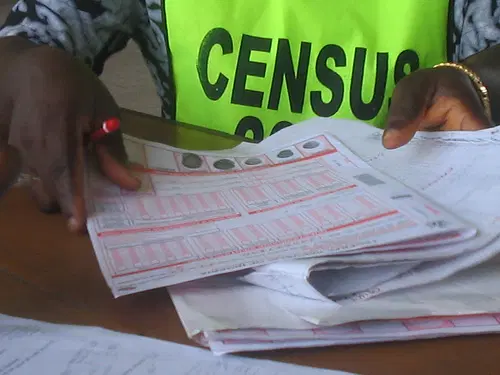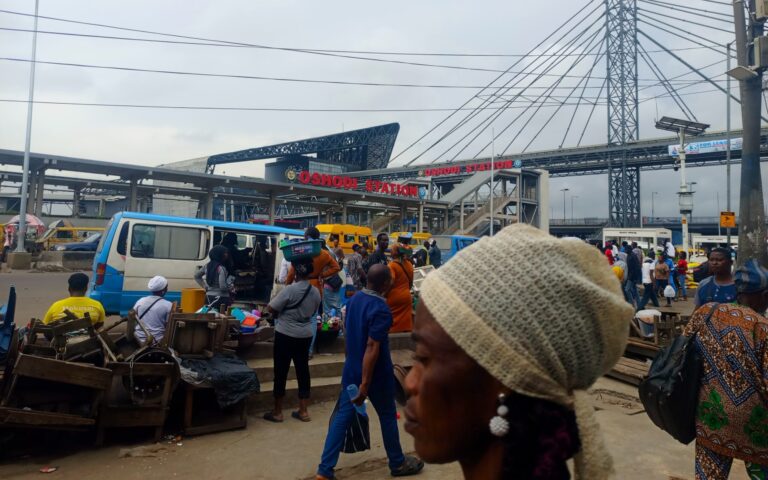


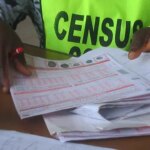





The most recent Statistics South Africa census found that 3.9 per cent of South Africa’s population was born outside the country. Yet, despite immigrants making up a small minority of the population, migration has been cast by protest groups and political leaders as a crisis demanding urgent crackdowns and regulatory reform.
Precedents across the continent show that such moves often produce displacement, economic disruption and diplomatic fallouts, sometimes for decades. South Africa’s government must think carefully about the direction it is taking.
The rise in anti-immigrant sentiment carries both short- and medium-term risks for immigrants and citizens alike. National attention has focused on the 30 June deadline issued by anti-immigrant groups for undocumented immigrants to leave.
But mobilisations are also driving medium-term proposals to restrict immigrants’ participation in the economy that could carry high costs for South Africans, too.
Abrupt deadlines ordering immigrants to leave have occurred before in Africa. These include the ‘two-week’ deadline given by former Ghanaian prime minister Kofi Busia for ‘undocumented aliens’ to leave Ghana in 1969, and the 8 November deadline announced by then-president Idi Amin for ethnic Asians to leave Uganda in 1972.

Neither of these deadlines served the interests of the poor. Both contributed to the worsening economic and political deterioration that persisted for years.
Ghana’s 1969 sudden expulsion of mainly African undocumented immigrants resulted in capital flight, weakened supply chains, basic goods shortages, and disrupted cocoa and mining production. It also did not win political support for Mr Busia, who was ousted in a bloodless coup two years later for failing to deliver on promised economic prosperity.
Mr Amin’s expulsion of Asians caused business closures, skills loss, production declines and food shortages. By the 1980s, Uganda had reversed course, adopting policies to encourage expelled Asians and their descendants to return.
Unlike in Ghana and Uganda, where immigrants fled government crackdowns, immigrants in South Africa face mass vigilante violence and public unrest that could challenge the state’s authority.
While South Africa’s government did not itself declare the 30 June deadline, it has not taken direct action against the group announcing it. Moreover, President Cyril Ramaphosa’s calls for intensified crackdowns on irregular immigrants and increased restrictions on documented immigrants serve to legitimise and amplify xenophobic narratives that immigrants – especially from Africa – are not welcome, and could be subject to searches and removal.
In addition to the dangers posed by the upcoming 30 June deadline, Mr Ramaphosa has proposed medium-term regulatory restrictions on immigrant workers. In his national address, he announced that the government had finalised the National Labour Migration Policy, which proposed maximum quotas for the employment of documented foreign nationals in certain sectors.
The Department of Small Business Development has also drafted a bill that empowers the minister to reserve certain business activities or sectors for South African citizens only.
Such restrictions on foreign workers and businesses have precedents in Africa.
In 2010, with Robert Mugabe’s presidency facing waning economic conditions and weakening party support, Zimbabwe passed the Indigenisation and Economic Empowerment General Regulations. The regulations reserved numerous small business activities, such as retail trade and beauty salons, for indigenous Zimbabweans only. However, these laws were rarely enforced.
Zimbabwean media highlighted possible reasons for this state reluctance, including diplomatic concerns, harm to supply chains, potential impact on Zimbabweans working in other African cities and tarnishing the country’s image as ‘open for business’.
Eventually, all trade restrictions were lifted for immigrants who opened businesses before 1 January 2018. Although new restrictions were introduced in 2025 requiring foreign businesses in reserved sectors to divest majority ownership to citizens, analysts have warned they may again threaten investment and economic stability.
Another example of restrictive trade laws in Africa is Ghana, which passed the Ghana Investment Promotion Centre Act in 2013 amid broader regional trade tensions between Ghana and Nigeria, including a Nigerian ban on the import of 96 Ghanaian items. The act placed significant limitations on the ability of immigrants (mostly Nigerians) to engage in small business activities, such as petty trading or operating a taxi or beauty salon.
As in Zimbabwe, Ghana’s government was initially reluctant to enforce its new laws. When Ghanaian traders called on Nigerian retailers to close their businesses in 2019, Ghana’s High Commissioner to Nigeria advised Nigerian business owners to continue operating. The demanded closures could have endangered Ghanaian enterprises in Nigeria, where roughly half a million Ghanaians resided and worked, often without any documentation.
In 2020, Ghana attempted to shut down Nigerian-owned businesses in the run-up to the country’s elections, amid Nigeria’s closure of its land borders to Ghanaian goods. These events led to prompt Nigerian diplomatic interventions. Both governments entered into talks, resulting in Ghana agreeing to review the act and work with Nigeria to draft a ‘Ghana-Nigeria Friendship Act’ to end trade conflicts between the two countries.
Even if South Africa navigates the 30 June deadline without incident, its plans to uproot thousands of immigrants from sectors in which they are deeply embedded could produce the same economic disruption and diplomatic fallout seen in Zimbabwe and Ghana. There, policy backtracking ultimately averted deeper crises.
Mr Ramaphosa appears aware of these threats, having said in his national address that he had been engaging with countries in the region.
South Africa will fare better by heeding these cautionary tales and addressing the root causes of poverty, inequality and poor service delivery and governance in the country, rather than seeking to appease anti-immigrant sentiment. That path will neither fix the economy nor reverse the country’s growing marginalisation across Africa.
Vanya Gastrow is a Senior Researcher at the Institute for Security Studies (ISS).
(This article was first published by ISS Today, a Premium Times syndication partner. We have their permission to republish).