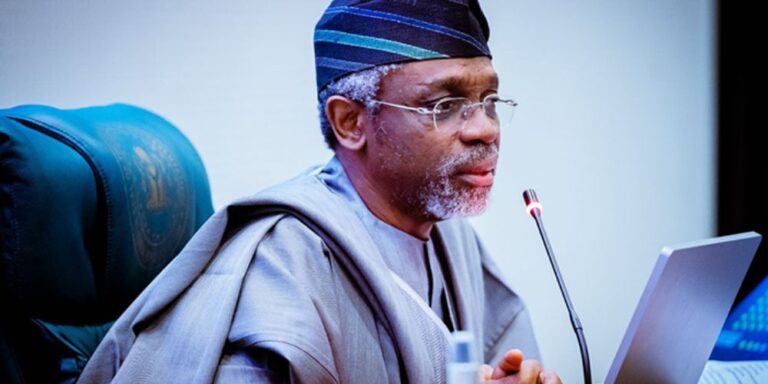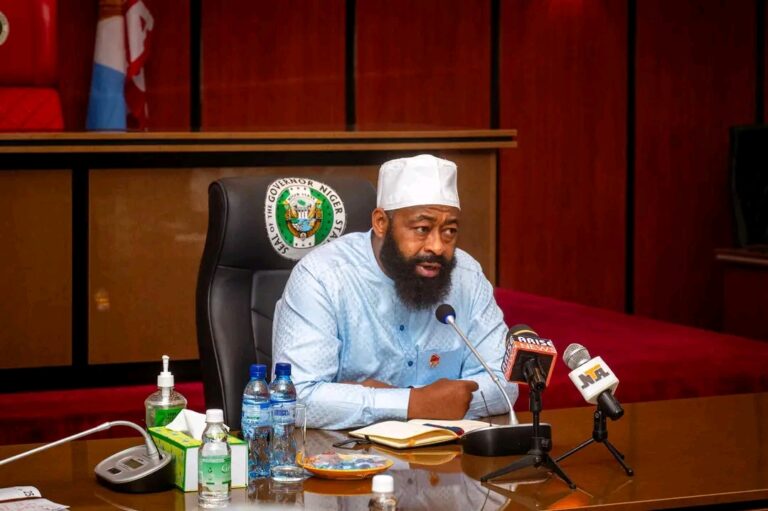
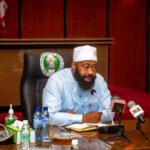

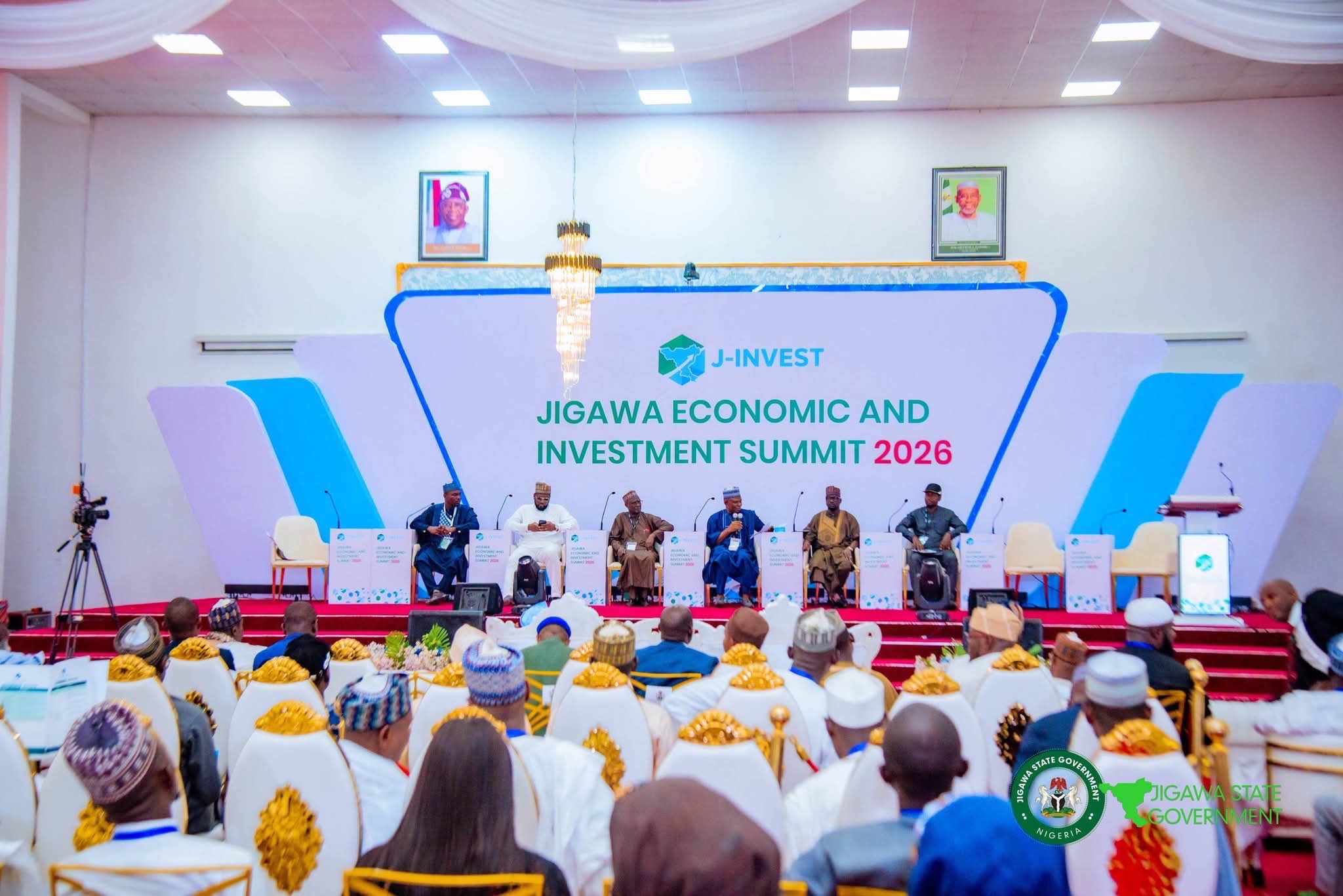

As the Second Jigawa State Economic and Investment Summit (J-INVEST 2026) officially began on Wednesday in Dutse, Jigawa State Governor, Umar Namadi presented a compelling case for the state as Northern Nigeria’s premier emerging investment hub.
Speaking before a distinguished audience that included Vice President Kashim Shettima, federal ministers, state governors, diplomats, and captains of industry, Governor Namadi unveiled an aggressive economic blueprint anchored on a massive ₦902 billion 2026 budget, with an unprecedented 76.9 per cent allocated strictly to capital expenditure.
The summit, themed “Unlocking Opportunities, Driving Sustainable Growth for a Greater Jigawa,” comes 13 years after the state’s inaugural economic summit in 2013, which birthed the State Investment Promotion Agency (InvestJigawa).
 Addressing investors at the opening session in Dutse, Governor Namadi stated that Jigawa is aggressively funding the public infrastructure required to de-risk private sector investments.
Out of the nearly ₦902 billion “Budget of Innovation and Transformation,” over ₦396 billion has been funnelled directly into economic sectors like agricultural transformation, infrastructure, power, and commerce. Additionally, human capital development—specifically health and education—received a robust ₦310 billion boost.

“These choices show that Jigawa is investing in the public foundations on which private capital can build, operate, and grow,” Governor Namadi stated. “We are not presenting ourselves as a finished product. We come as a serious partner with fertile land, hardworking people, peaceful communities, a stable investment climate, and the determination to turn resources into results.”
A compelling case for Agribusiness
Mr Namadi highlighted Jigawa’s vast, unexploited resource base as a goldmine for commercial agriculture and agro-processing. The state boasts over 24,700 square kilometres of fertile arable land, including 411,000 hectares of Fadama wetlands optimised for year-round farming.
Already ranked as Nigeria’s foremost producer and exporter of sesame and hibiscus, as well as a top producer of wheat, rice, and sorghum, Jigawa is transitioning into large-scale industrial value addition.
 The Dangote Rice Mill which is now at an advanced stage of completion, is set to process 350 tonnes of rice daily. Combined with 20 other local mills, Jigawa will soon process about 1,800 tonnes of rice per day.
The governor also highlighted a strategic alliance with AfricaRice, alongside successful hybrid rice piloting by Great Northern Agribusiness and the Lee Group, is set to drastically multiply local yields.
Land Accessibility
Through the state’s FRILIA framework (Framework for Responsible and Inclusive Land-Intensive Agriculture), over 13,000 hectares of land have been transparently allocated to verified investors since 2024.
And beyond agriculture, the governor rolled out proof of the state’s aggressive infrastructure drive. In the last three years, Jigawa has completed 25 inherited road projects (340km) and awarded 48 new road contracts totalling over 1,000 kilometres to seamlessly connect rural production with regional markets.
On energy security, the state—in partnership with the Rural Electrification Agency (REA) and KEDCO—is aggressively deploying solar mini-grids. Ongoing state-led solar projects are currently test-running to generate 7MW of power for public institutions, an initiative that has already triggered a new solar panel assembly investment at the Maigatari Border Free Zone.
The governor invited manufacturers to take advantage of the flagship Gagarawa Industrial Park, designed for medium- and large-scale manufacturing, as well as public-private partnership (PPP) opportunities in the state’s emerging Medical Village in Dutse.
Federal reforms boosting Investor confidence
Governor Namadi praised the Federal Government’s Renewed Hope Agenda under President Bola Ahmed Tinubu, noting that macroeconomic stabilisation and efforts by the Presidential Enabling Business Environment Council (PEBEC) have heavily restored investor confidence.
Citing recent federal data, he noted that total capital importation into Nigeria soared to $23.22 billion in 2025, while foreign direct investment (FDI) surged by 36.8% climbing from $674.71 million in 2024 to $923.01 million in 2025.
Moving from deliberation to delivery unlike traditional talk shops, Governor Namadi charged organisers and investors to ensure J-INVEST 2026 yields strictly measurable outcomes. He directed InvestJigawa officials manning the summit’s “deal rooms” to attach strict timelines, responsible institutions, and measurable metrics to every Memorandum of Understanding (MoU) signed.
“Bring serious ideas to Jigawa, and you will find a government ready to engage, facilitate, and follow through,” Governor Namadi challenged the international business community. “Let the record of this Summit be seen not only in speeches, photographs, and signed documents, but in farms expanded, factories completed, power delivered, skills gained, and families lifted into greater prosperity.”