






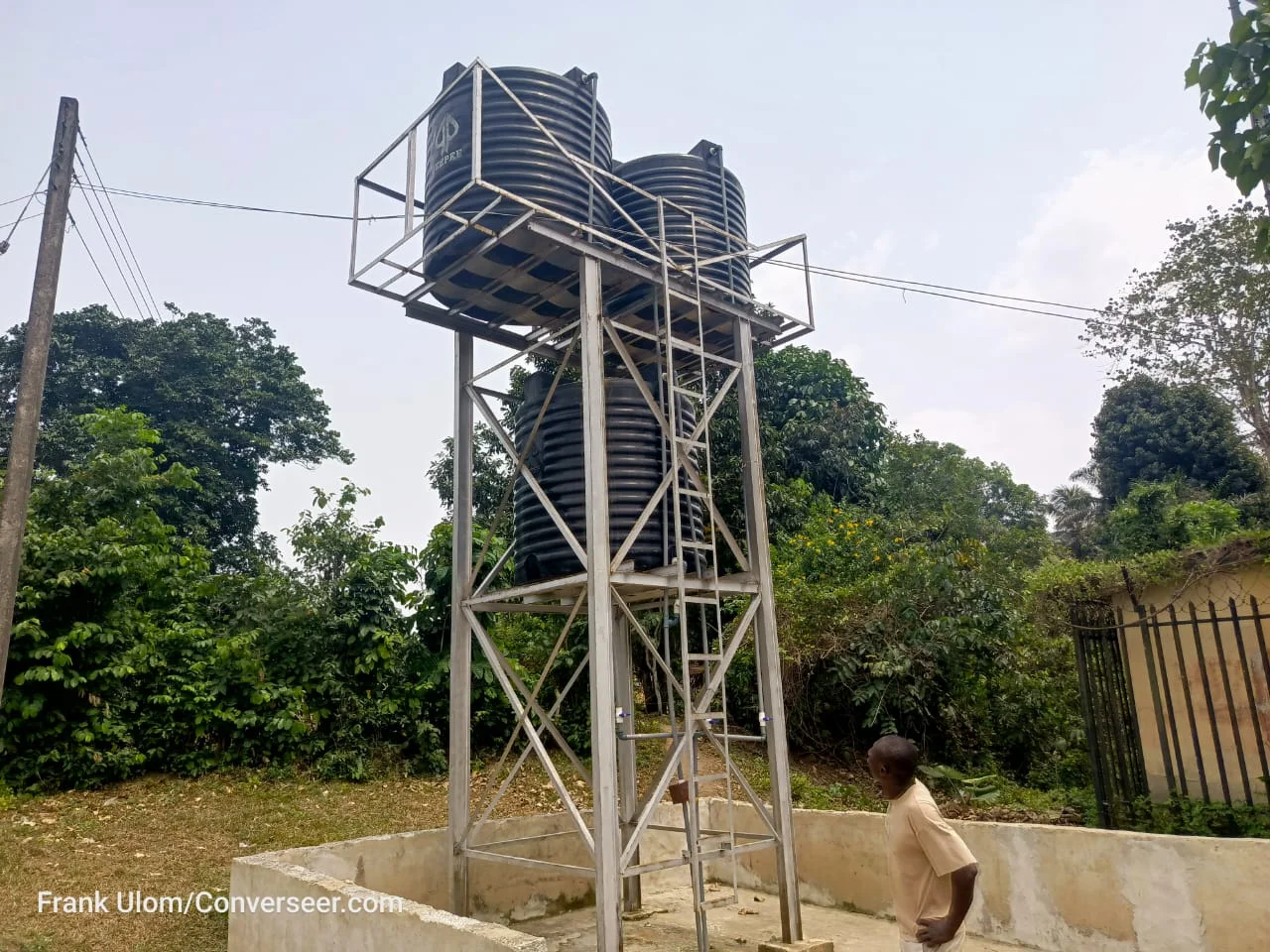
The Water Systems for Health (WS4H) programme implemented by Self Help Africa (SHA) has improved or restored access to water services for more than 320,000 people in Kano and Cross River states through interventions aimed at strengthening water, sanitation and hygiene (WASH) systems.
Speaking at the National Results and Learning workshop held last week in Abuja to highlight the programme’s achievements, stakeholders noted that Nigeria continues to face significant WASH challenges, with millions of citizens lacking access to safely managed water and sanitation services. Rural communities remain disproportionately affected, while climate variability, limited financing and institutional capacity constraints continue to hinder service delivery.
Over the past two years, the WS4H programme has worked with federal, state and local government institutions, development partners and other stakeholders to strengthen governance structures, support policy reforms, improve planning processes, enhance financing mechanisms and promote accountability in the WASH sector.
As part of the programme’s achievements, more than 5,520 household toilets were constructed in Yala and Makoda Local Government Areas, contributing to improved sanitation and public health outcomes.
The programme also recorded significant gains in public financing for WASH. In 2026, Cross River State increased its WASH budget by 211 per cent, while Kano State recorded a 169.07 per cent increase, reflecting growing political commitment to sustainable investments in the sector.
At the policy level, both states reviewed, approved and adopted updated WASH policies. They also launched WASH Finance Strategies and Basic Sanitation Access Roadmaps to guide resource mobilisation and expand access to services.
In Cross River State, the passage of the Water Law and the Open Defecation Prohibition Bill was highlighted as a major legislative milestone expected to strengthen the framework for WASH service delivery.
Strategic WASH plans have also been developed at the local government level to strengthen local ownership and provide a roadmap for future investments and service improvements.
The programme’s implementation model is already being replicated beyond its initial focus areas. In Cross River State, lessons from interventions in Yala Local Government Area are being applied in Obubra Local Government Area as part of efforts to scale up successful approaches and achieve wider impact.
Despite the progress recorded, stakeholders acknowledged persistent challenges, including institutional capacity gaps, resource constraints, climate-related pressures and the risk of reform disruptions during political transitions.
They stressed that sustainable improvements in the WASH sector require long-term commitment, continuous government leadership, adequate financing, strong partnerships and active citizen engagement.
Stakeholders called on the Federal Government, state governments, local government authorities, development partners, civil society organisations and the private sector to build on the gains achieved under the programme by ensuring the full implementation, funding and scaling of established policies, strategies and financing mechanisms.
The organisers also commended the Programme Advisory Committee, the Agenda for Change Network and members of the WS4H programme team for their contributions to the successful implementation of the initiative.